

Kevin Warsh discloses crypto and AI investments ahead of Senate Fed hearing

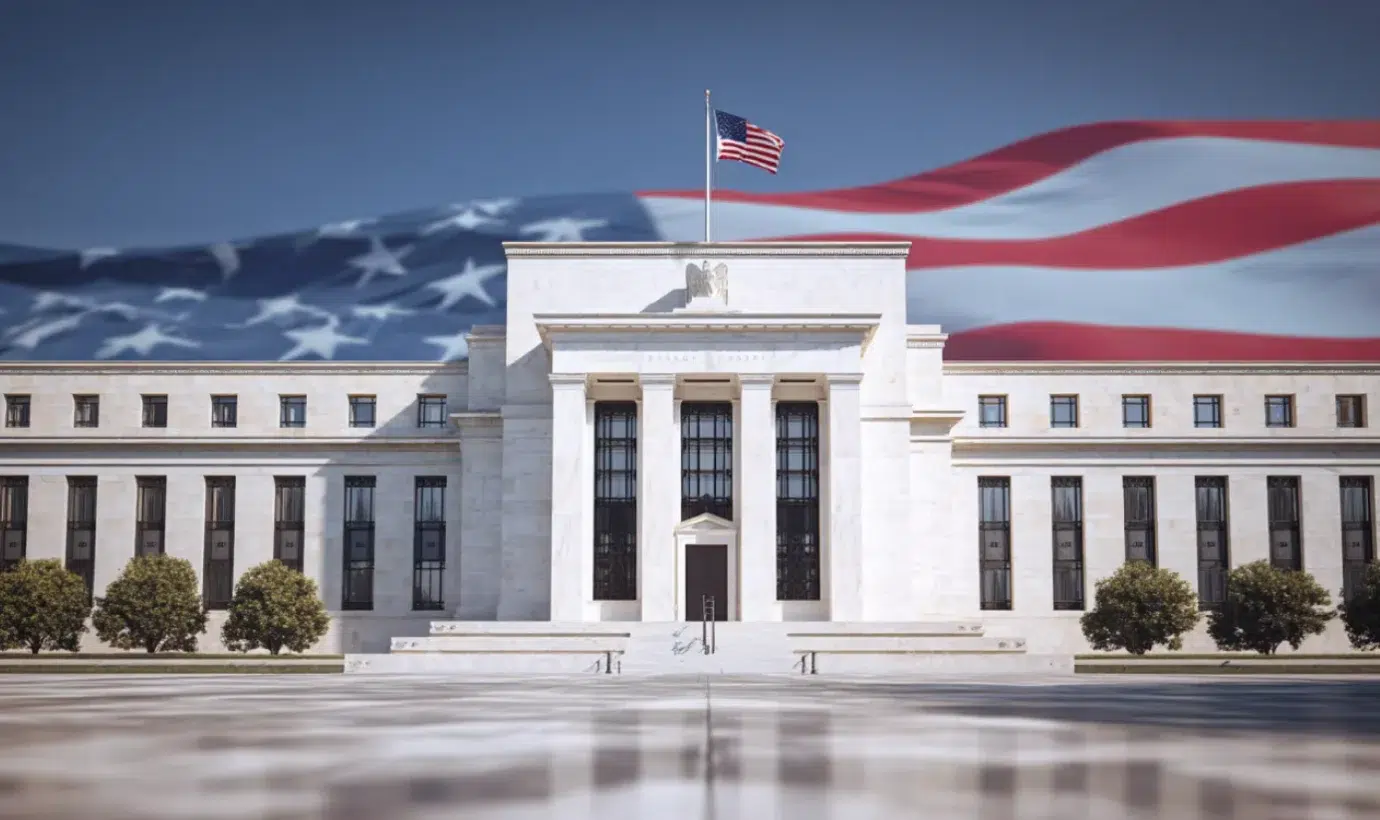
Federal Reserve nominee Kevin Warsh disclosed a diverse portfolio of private technology investments, including stakes in artificial intelligence and digital assets, as he prepares for a high-stakes Senate confirmation hearing.
- Federal Reserve nominee Kevin Warsh disclosed over $100 million in assets, including stakes in various cryptocurrency and artificial intelligence startups, ahead of his Senate hearing.
- The Senate Banking Committee scheduled a confirmation hearing for April 21 to vet Warsh as the successor to Jerome Powell, whose second term as chair concludes in mid-May.
According to a filing with the U.S. Office of Government Ethics, the former Fed governor holds interests in crypto-focused firms Compound and Dapper Labs, alongside AI startups such as Factory and Glue.
While the disclosure values his total assets at more than $100 million, specific valuation ranges for these individual technology holdings were notably absent.
Reuters reports that federal ethics guidelines exempt officials from reporting the value of assets worth less than $1,000, though the filing did detail substantial positions elsewhere, including over $50 million in the Juggernaut Fund and $10 million in consulting income from Stanley Druckenmiller’s Duquesne Family Office.
Empty seats at regulatory agencies
President Trump formally submitted Warsh’s name to the Senate in March, following a January announcement that signaled an end to Jerome Powell’s leadership.
The move comes as the administration faces a ticking clock; Powell’s second term as chair concludes on May 15.
The Senate Banking Committee has now scheduled Warsh’s appearance for April 21, positioning him to take over the central bank’s influence over interest rates and broader financial policy just weeks before the vacancy opens.
Despite the movement on the Fed’s leadership, the administration has yet to fill critical vacancies at the Securities and Exchange Commission (SEC) and the Commodity Futures Trading Commission (CFTC).
The SEC is currently operating with only three of its five commissioner seats filled, while the CFTC is down to a single commissioner, Michael Selig.
These gaps persist as a stalled crypto market structure bill remains in the Senate, leaving both agencies shorthanded at a time when they are expected to define the future of digital asset regulation.